In MHT's public directory

Museums · Dhofar & Salalah
Museum of the Land of Frankincense
متحف أرض اللبان
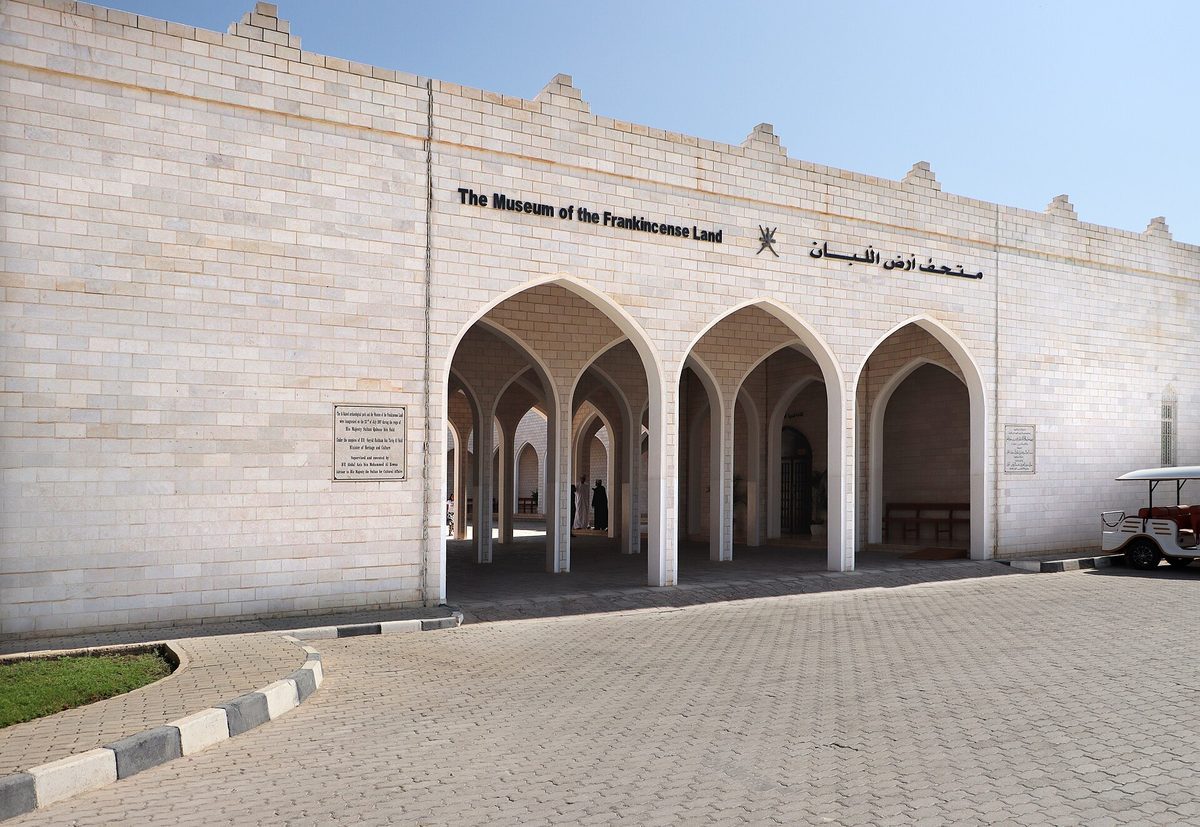
Photo: Salalah, museo della terra degli incensi, entrata.jpg · Francesco Bini · CC BY SA 4.0 (licence)
Before you go
9 facts, each with its source- 4x4 needed No Source: osm · approach is paved at 57 m
- Time needed 1–2 hours Source: editor · category default
- Best season All year Source: editor · category default
- Difficulty Easy — level going, and most are step-free Source: editor · category default
- Family friendly Yes Source: editor · category default
- Facilities Toilets 23 m · Parking 106 m · Food nearby 72 m Source: osm · mapped within 300 m
- Drones Permission required from CAA Oman — approvals have been suspended at times in 2026, so confirm the current position before you travel Source: official · national rule · Civil Aviation Authority (CAA Oman) · checked 2026-09-05
- Dress Oman expects shoulders and knees covered in public. Galleries are air-conditioned cold. Source: editor · category default
- Elevation 1 m Source: srtm · NASA SRTM 30 m model
Not confirmed for this place: Entry fee · Opening hours · Wheelchair. Know one of these? Tell us →
Safety notes
- Conditions change; verify access, fees and hours locally before you go.
Editor notes, reviewed 2026-09-02
How far is it?
- 12 mfrom Salalah Airport (SLL) · 8 km
- 10 mfrom Salalah · 7 km
- 7 h 48 mfrom Duqm · 686 km
Road distance and driving time from OpenStreetMap routing, without traffic. Mountain tracks are often slower than the router thinks.
When to go
All year- J
- F
- M
- A
- M
- J
- J
- A
- S
- O
- N
- D
ComfortableKhareef
Indoors — a good summer choice. Khareef (monsoon) turns Dhofar green from roughly late June to early September — its own peak season.
Source: editor · category default · 2026-09-02. Category default set by the editor — a verified per-place season replaces it.
About & Sources Museum of the Land of Frankincense
Museum of the Land of Frankincense is a museum in Dhofar & Salalah, Oman. Entry fee, opening hours and vehicle requirements have not yet been verified for this page — the fact box says so plainly rather than guessing, so check locally before you go. For this kind of place the comfortable season is typically All year; in Dhofar the khareef months are a season of their own. Nearby: Al Baleed Archeological Park, Khawr Al Balid Reserve and Palace.
At a glance
- Museums · Dhofar & Salalah
- Season: All year (editor default)
- Has a Wikipedia article
- 1 open-data source · verified not yet
Photos
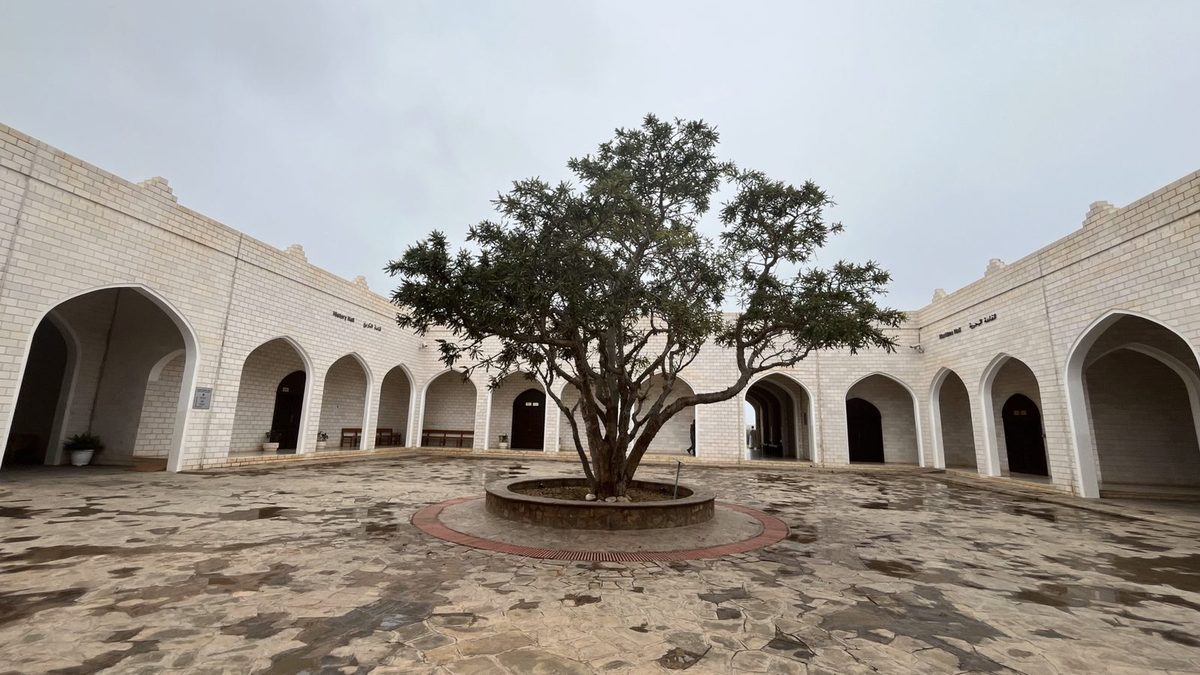
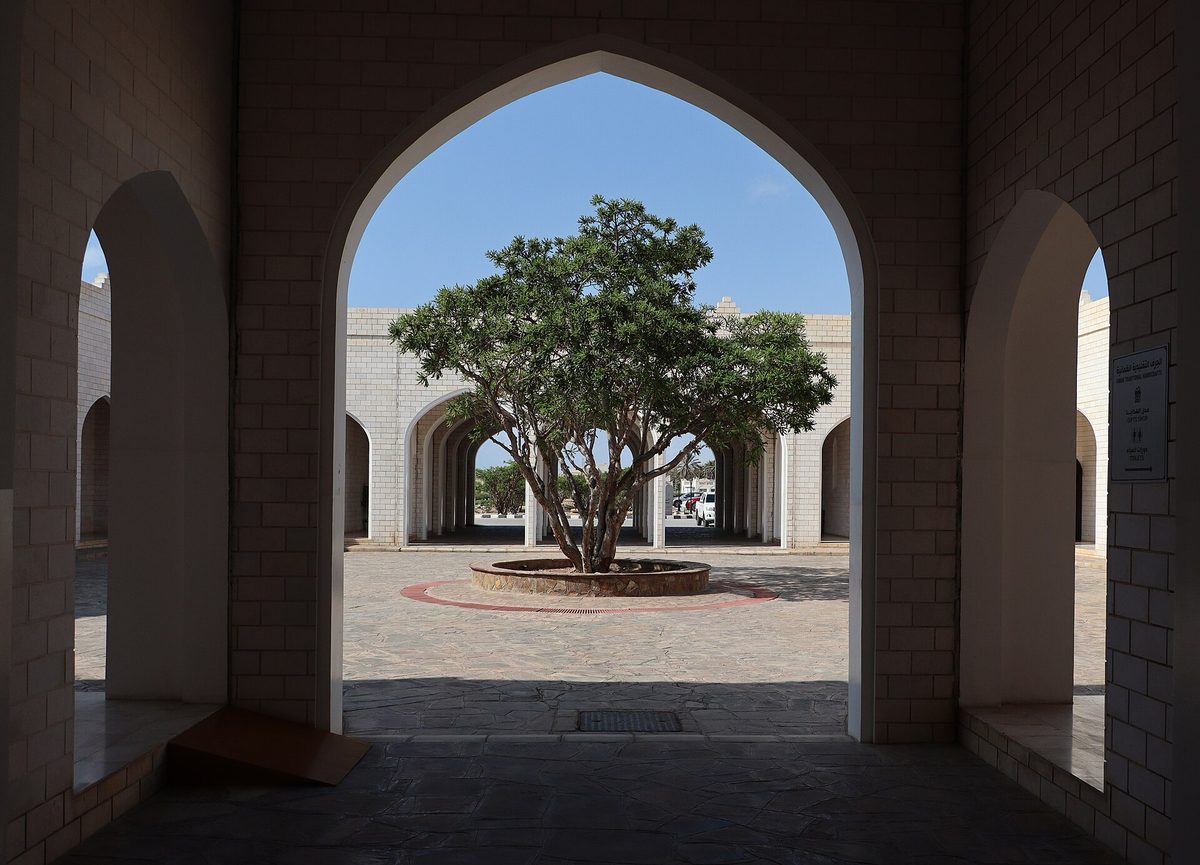
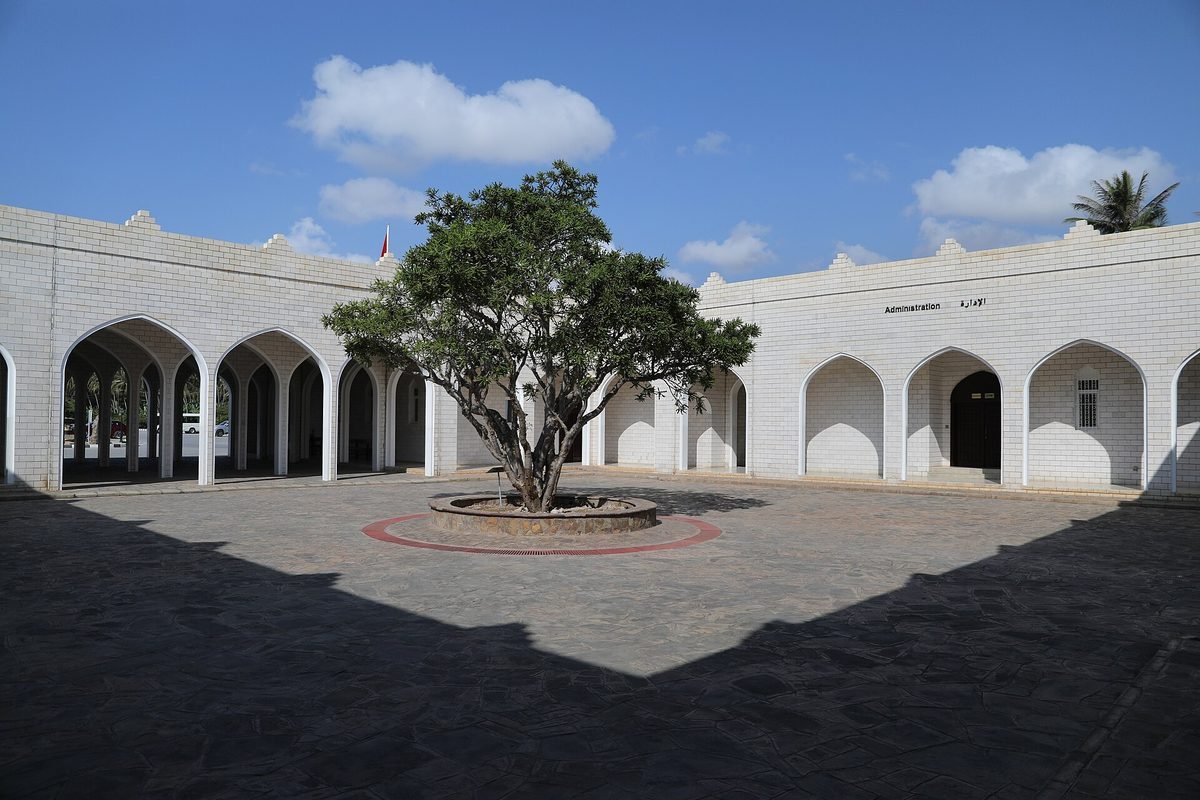
Photos from Wikimedia Commons, each with its author and licence.
Frequently asked questions
Do I need a 4x4 to reach Museum of the Land of Frankincense?
No — approach is paved at 57 m (source: osm).
When is the best time to visit Museum of the Land of Frankincense?
Typically All year for museums. Indoors — a good summer choice. Khareef (monsoon) turns Dhofar green from roughly late June to early September — its own peak season.
How long do I need at Museum of the Land of Frankincense?
1–2 hours (guidance for this category).
What facilities are there at Museum of the Land of Frankincense?
Toilets 23 m · Parking 106 m · Food nearby 72 m (source: osm).
How high is Museum of the Land of Frankincense?
About 1 m above sea level (source: srtm).
Where is Museum of the Land of Frankincense?
In Dhofar & Salalah (OM-ZU), Oman, at 17.0094, 54.1361 — near Al Baleed Archeological Park, Khawr Al Balid Reserve and Palace.
Who can take you there
All operators →Licensed local operators who run trips of this kind in this region. Contact them directly — we take no commission on an enquiry.
In MHT's public directory
In MHT's public directory
Are you a licensed operator who runs trips here? The first slot on this page is available to Verified operators for a flat monthly fee. No commission, and the enquiry goes straight to your WhatsApp.
Claim your listing →Operators are listed from open data and Ministry of Heritage and Tourism's public directory. Ranking places paying operators first; everything else is by relevance and distance, and the badges say exactly what has been verified.
Nearby places
More in Dhofar & Salalah →


Information is compiled from open data and editor checks; conditions, fees and access change — verify locally before you travel.